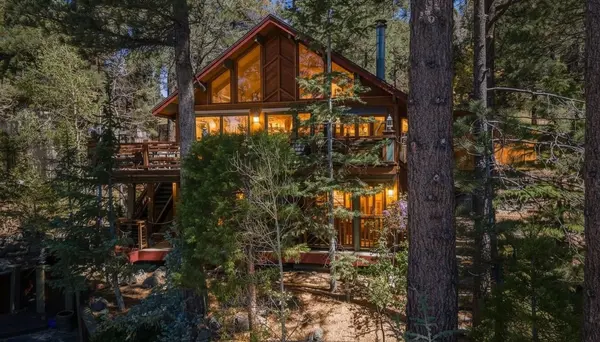

Big Bear Lake’s #1 Realtor reveals the 2025–2026 Cabin Inspection Checklist: 21 red flags that kill deals. Work with Bradford King Group to buy or sell with zero surprises
Big Bear Lake Cabin Inspection Checklist 2025–2026: 21 Red Flags That Kill Deals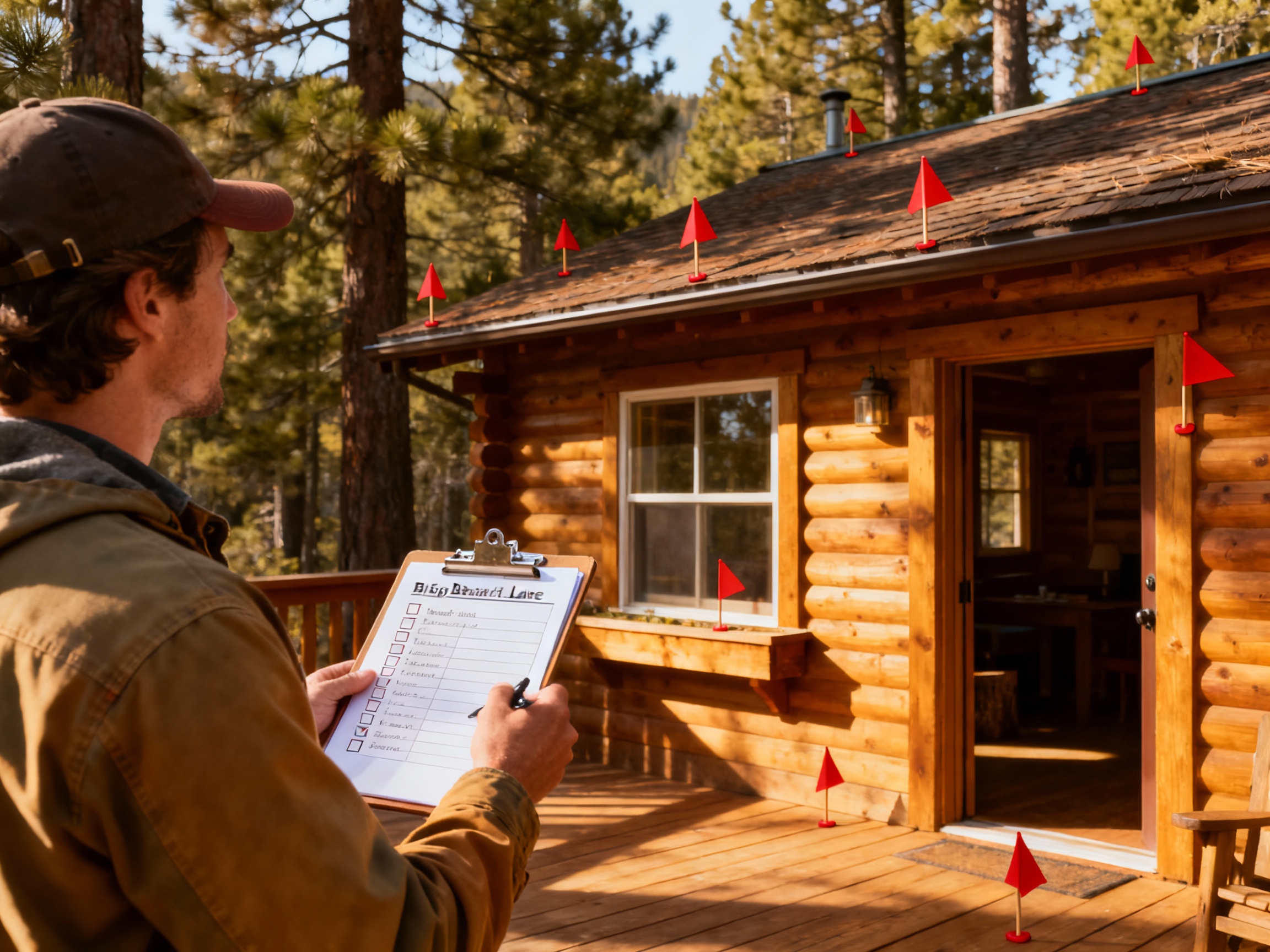
Big Bear Lake cabin deals most often die over hidden safety, structural, and systems issues that scare buyers, lenders, insurers, or the City. Use this blog to position yourself as the “no‑surprises” Big Bear expert and turn scary red flags into negotiation leverage.
Why Big Bear Cabin Inspections Are Different
Big Bear cabins face freeze–thaw cycles, heavy snow loads, wildfire risk, and STR regulations, so inspections go far beyond a standard suburban home. On top of the general home inspection, buyers and sellers need to think about fire authority requirements, city vacation-rental rules, and the standards of any land manager, HOA, or other governing agency, depending on location.
If you plan to use your cabin as a vacation rental, your property must meet health, safety, and fire codes or you risk fines, a suspended license, or being unable to rent at all.
How to Use This Checklist
Use this checklist in three stages:
- Before you list or write an offer: walk the cabin with this list to understand potential deal killers and budget for repairs or credits.
- During inspections: share it with your inspector and ask directly about each red flag, especially decks, heating, and life-safety devices.
- Before closing: verify that any agreed repairs are completed to code and, if applicable, that STR and city/fire requirements are satisfied.
21 Red Flags That Kill Big Bear Cabin Deals
1–4: Structural & Deck Safety
- Rotten or unstable decks and railings
In Big Bear, decks take a beating from sun, snow, and ice; inspectors frequently flag rot, loose posts, and railings with gaps over 4 inches, which can be both a safety hazard and a code violation. Buyers worry about guests, kids, and liability, and insurers may balk at unsafe decks, leading to repair demands or cancelled escrows. - Improperly built additions or enclosed porches
DIY room additions, enclosed porches, or deck expansions without permits can trigger lender issues and non‑compliance with local building standards. When structures exceed allowed deck size or enclose space that was supposed to stay open, sellers may face expensive tear‑backs or permit corrections. - Foundation movement or failing piers
Older Big Bear cabins often sit on piers or raised foundations that can shift with freeze–thaw cycles and poor drainage. Significant settlement, leaning piers, or cracked beams scare buyers and can lead to major structural repair bids that derail the deal. - Roof near end of life (snow-load risk)
Roofs that show curling shingles, patched areas, or sagging under old snow loads often get flagged with short remaining life. On a mountain cabin, a failing roof is more than cosmetic—it means potential leaks, mold, and expensive winter damage, so buyers often demand big credits or walk.
5–8: Fire, Life Safety, and Code Compliance
- Missing or incorrect smoke and CO detectors
Local fire and vacation-rental rules require working smoke detectors in each bedroom, halls, kitchen, and on each level, plus carbon monoxide detectors on each level. Missing, outdated, or battery‑pulled detectors are common and can delay inspections, STR licenses, and closings. - No fire extinguisher or non-compliant units
Fire inspection checklists typically require properly mounted extinguishers at specific heights on every level. Wrong type, expired tags, or unmounted units may fail inspection for STRs or certain jurisdictions and must be corrected before approvals. - Unapproved outdoor fire pits, saunas, or hot tubs (in regulated areas)
In parts of Big Bear and the surrounding mountains, permanent outdoor fire pits, hot tubs, freestanding saunas, and some fixed BBQ installations are restricted. When those amenities are installed without permission or do not meet current fire‑safety rules, buyers can be forced to remove or modify them after closing, creating unexpected cost and turning a “dream amenity” into a deal‑killer. - Blocked egress or inoperable bedroom windows
For safety and city vacation-rental rules, at least one operable window per bedroom must allow emergency escape, and screens/windows must be functional for ventilation. Painted‑shut or undersized windows are a serious red flag—especially for bunk rooms marketed as “bedrooms” that do not legally qualify.
9–12: Heating, Plumbing, and Electrical Problems
- Aging or unsafe heating systems
Old wall heaters, unvented heaters, or poorly maintained forced‑air furnaces raise safety and carbon monoxide concerns, especially at altitude. Inspectors may recommend replacement, which becomes a high‑ticket negotiation point. - Water leaks, failing plumbing, or frozen-pipe risk
Leaking fixtures, corroded supply lines, and evidence of past freeze damage are common in mountain cabins. City vacation-rental standards require plumbing to be in working order with no leaking fixtures or wastewater lines, so significant issues can block rental permits. - Electrical hazards and DIY wiring
Exposed wiring, overloaded circuits, double‑tapped breakers, and permanent use of extension cords are often cited as violations in Big Bear cabin checklists. For STR use, unsafe electrical setups can prevent passing safety checks and make insurers nervous, which puts pressure on sellers to upgrade panels and wiring. - Unstrapped water heaters or missing seismic safety
Local standards typically require water heaters to be strapped at top and bottom and properly vented. Unstrapped or improperly installed units are cheap to fix but appear frequently in reports and become easy leverage for repair requests.
13–16: Moisture, Mold, and Pest Issues
- Active roof leaks or ceiling stains
Evidence of leaks—water staining, soft drywall, or patched sections—raises questions about current versus past damage. In a snowy climate, buyers worry about hidden rot and insulation damage, which can prompt further invasive inspections or re‑negotiation. - Mold, mildew, or chronic moisture
Poor ventilation in older cabins and bathrooms often leads to mildew or mold in corners, around windows, or under sinks. While not always structurally serious, mold scares buyers and can lead to remediation demands and air-quality testing that stalls a deal. - Termites, wood‑boring insects, or rodent infestations
Even in mountain environments, inspectors and pest companies often identify wood‑destroying organisms or rodent activity in crawlspaces, attics, and decks. Active infestations, damaged beams, or contaminated insulation increase both cost and anxiety for out‑of‑area buyers. - Improper drainage and grading
Negative slope toward the cabin, missing gutters, or poor downspout extensions send water under the structure and into foundations. Over time that can worsen settlement, cause moldy crawlspaces, and trigger expensive structural recommendations.
17–21: Regulatory, STR, and Insurance Deal Killers
- Out of compliance with city vacation-rental checklist
The City of Big Bear Lake publishes a vacation-rental checklist with required items like exterior signage, parking standards, working plumbing, pest‑free conditions, and safety equipment. Properties far out of compliance can’t legally operate as STRs until items are corrected, crushing revenue projections and scaring investors. - Unauthorized rental use in recreation-residence areas
Some HOAs do not allow for STRs. Make sure you or your agent know exactly where these are located. - Unapproved structures and “yard clutter” on regulated lots
Some Areas may require removal of unapproved sheds, fences, decorative lighting, permanent recreation equipment, and certain signs. Buyers inheriting a non‑compliant lot may face the cost of removing those items soon after closing, which can be a deal breaker. - Insurance problems due to fire and condition
In California mountain communities, insurers increasingly scrutinize wildfire risk, defensible space, and cabin condition. Cabins with overgrown vegetation, no tree clearance around chimneys, or outdated electrical and roofs may be difficult or expensive to insure, changing the buyer’s numbers dramatically. - Snow-load and access issues not reflected in inspection
While not always on a formal checklist, buyers are now testing winter access, driveway slope, and snow‑load readiness (roof design, ice dam prevention, snow‑removal plans). Discovering after inspections that access is treacherous or snow loads aren’t managed can lead to cancellations when buyers picture guests stuck in storms.
Simple Pre‑Inspection Checklist for Buyers & Sellers
Before you invite a general inspector, do a quick DIY walk‑through
Your inspector should be checking for these items and much more:
- Test all smoke/CO detectors, GFCI outlets, lights, and heaters; replace batteries and non‑working devices.
- Check decks, stairs, and railings for softness, wobble, and wide gaps; repair obvious safety issues.
- Look for active leaks, staining, moldy smells, and signs of pests in kitchens, baths, crawlspaces, and attics.
- Confirm bedroom windows open fully and that there is at least one operable egress window per sleeping room.
- For STR properties, review the latest City of Big Bear Lake vacation-rental checklist and correct simple items before any official visit.
When to Walk Away vs. When to Negotiate
Not every red flag should kill a deal, but some absolutely can.
- Good candidates for negotiation: missing detectors, minor deck repairs, outdated but functioning heaters, cosmetic roof wear, basic plumbing and electrical corrections—especially if seller credits or price reductions cover realistic repair bids.
- Potential walk‑aways: major structural movement, undocumented additions that can’t be permitted, severe mold or pest damage, or cabins deeply out of compliance with land‑use rules or city/STR requirements where required fixes are uncertain or very expensive.
- This is where my extensive background in building comes in. We can game plan together the homes with issues and see how easily they can be fixed and what should be done.
Always Remember:
If you’re buying or selling a cabin in Big Bear Lake for 2025–2026, use this checklist early—before inspections—to avoid surprises and protect your leverage. For a property‑specific walkthrough or any questions you might have, contact Bradford King for a pre‑listing or pre‑offer consultation tailored to your cabin and your goals. We are here for all of your buying and selling needs.
Feel Free to find us on Google -
https://maps.app.goo.gl/KMSPDitUqAKtyWu57
Categories
Recent Posts